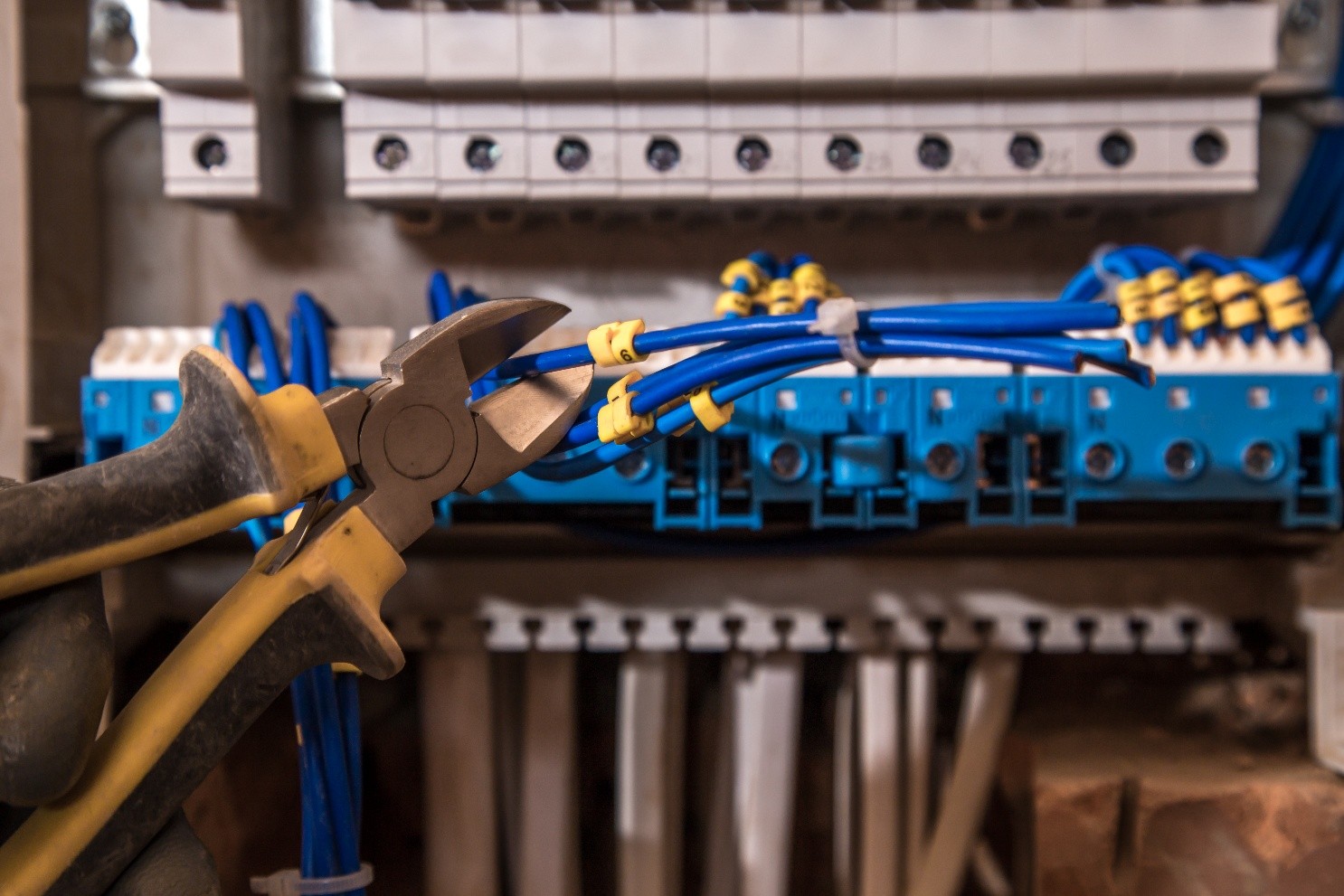
Wiring is the part of a home’s electrical system that most people never see and rarely think about until something goes wrong. It is also the part that, when it fails or deteriorates, creates the most serious consequences. At Carol’s Electric, electrical wiring services in Hillsborough represent a significant portion of our residential workload, and we see firsthand how much confusion there is among homeowners about what wiring services actually involve, when they are needed, and what warning signs are worth taking seriously.
What Do Residential Electrical Wiring Services Cover?
Electrical wiring services is a broad term that covers several distinct types of work. New circuit installation is one of the most common, adding dedicated wiring for a new appliance, an EV charger, a home office circuit, or additional outlets in a room that is lacking them. Wiring repair or replacement addresses sections of existing wiring that are damaged, degraded, or undersized for current load.
Whole-home rewiring is the most comprehensive scope and typically involves replacing all original wiring in a property, often as part of a major renovation or in response to a specific safety finding. Panel-to-outlet wiring traces entire circuits to confirm continuity, proper connections, and compliance with current code.
Our approach to electrical wiring services in Chapel Hill follows the same professional standard as our Hillsborough and Mebane work. We assess the full picture before scoping any project, which means we do not replace one section of wiring only to leave a problem in the adjacent section that was not addressed.
What Are the Warning Signs of Wiring Problems in Older Homes?
Hillsborough has a significant stock of older residential properties, and older homes carry wiring that was designed for a different era of electrical demand. The warning signs are worth knowing because catching a wiring issue early is considerably less expensive than addressing the consequences of one that was ignored.
Here is what to watch for:
- Outlets or light switches that feel warm to the touch even when not in heavy use
- Burning smell near outlets, switches, or the electrical panel
- Discoloration or scorch marks on outlet covers or switch plates
- Lights that dim noticeably when a large appliance turns on
- Buzzing or crackling sounds from walls or panels
- Aluminum wiring, which was common in homes built between 1965 and 1973 and requires special handling at connections
Aluminum wiring itself is not inherently unsafe, but aluminum-to-copper connections made without proper connectors or anti-oxidant compound are a known fire risk. According to the Consumer Product Safety Commission, homes wired with aluminum are 55 times more likely to have wire connections reach fire-hazard conditions compared to homes wired with copper. If your home was built in that era and has never had its wiring evaluated, an inspection is worth scheduling.
How Do Electrical Wiring Services in Chapel Hill Differ for Newer Builds?
Newer construction is not automatically problem-free. Wiring issues in newer homes tend to stem from installation quality during construction rather than material aging. Improperly secured wiring, missing staples or supports, loose connections at junction boxes, and circuits that were wired without proper load calculations are all common findings in homes built as recently as the 2000s.
Mebane electrical services through Carol’s Electric cover new builds and recently renovated properties in addition to older homes, and we bring the same diagnostic thoroughness to all of it. Sometimes the job is a simple fix. Other times, a quick look at what appears to be a minor issue reveals something worth addressing more comprehensively.
We think homeowners deserve honest information about what we find. If a thorough fix is warranted, we explain why in plain terms. If the situation is straightforward, we say that too. Free estimates are standard for every project, and you can review our full service offering on the services page. More background on our team and standards is on the about page.
Why Does Mebane Electrical Services Quality Vary So Much Across Contractors?
This is a fair question. The answer involves a combination of licensing requirements, material quality choices, and approach to diagnostics. A licensed and insured electrician operating under North Carolina state requirements has met a baseline of technical competence that an unlicensed contractor has not. Materials matter too. Wiring, connectors, and fixtures that meet NEC specifications cost more than substandard alternatives, and the difference in longevity and safety is real.
At Carol’s Electric, we have been operating in this region for over 30 years because we do the work correctly the first time. Reach us at (919) 929-0582 Monday through Thursday, 8:00 AM to 6:00 PM, or use the contact page to schedule an estimate.
The Wiring in Your Home Is Worth Doing Right
Whether you are planning a renovation, dealing with a specific problem, or simply want to know the current state of your wiring, Carol’s Electric is ready to help with straightforward, professional service.
Frequently Asked Questions
- How do I know if my home needs rewiring?
Persistent breaker trips, warm outlets, flickering lights, or a home built before 1980 that has never had a wiring inspection are all indicators worth investigating.
- Does rewiring a home require permits?
Yes. We manage the permitting process, including required inspections, as part of any rewiring or major circuit work.
- How long does whole-home rewiring take?
Timeline depends on home size and complexity. Most residential rewiring projects are completed in three to five days.
- Can electrical wiring be upgraded without major wall damage?
In some cases, wiring can be routed through existing pathways with minimal wall disruption. We assess this during the initial site visit.
- What is the lifespan of residential electrical wiring?
Most wiring materials last 50 to 70 years under normal conditions, but insulation can degrade faster in high-heat environments or where wiring was improperly installed.